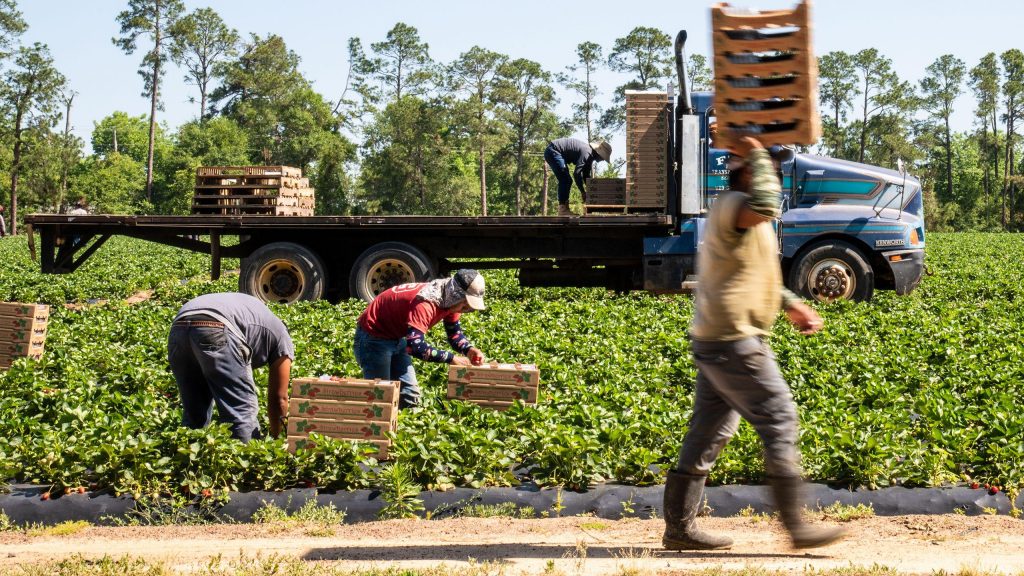


If you are an agricultural employer struggling to find enough seasonal workers, the H-2A program may be worth considering.
I am Patricia Périssé Bochi, an immigration attorney with more than 20 years of experience assisting individuals and businesses with U.S. immigration matters. Through Immigration Law USA Solutions, I work with employers to understand immigration options, prepare the required filings, and avoid preventable problems that can delay a case.
For agricultural employers, timing is especially important. Planting and harvesting schedules do not wait for government processing, so understanding the H-2A process before you need the workers can make a significant difference.
How Does the H-2A Program Work?
The H-2A temporary agricultural worker program allows qualified U.S. employers to hire foreign workers for temporary or seasonal agricultural jobs when there are not enough able, willing, qualified, and available U.S. workers to perform the work.
The process begins with the employer. In general, the employer must first obtain a temporary labor certification from the U.S. Department of Labor. This includes meeting recruitment requirements for U.S. workers and establishing that the employment of H-2A workers will not adversely affect the wages and working conditions of similarly employed U.S. workers.
After the labor certification is approved, the employer generally files the H-2A petition with USCIS. Workers who need visas then complete the appropriate consular process through the U.S. Department of State.
Because several government agencies are involved and there are specific filing deadlines, employers should start planning well before the anticipated start date.
What Responsibilities Does an H-2A Employer Have?
One important point is that the employer’s responsibilities do not end once the workers arrive.
Depending on the circumstances, H-2A employers may be responsible for:
- Paying the required wage;
- Providing compliant housing without charge when required;
- Providing required transportation;
- Providing meals or adequate cooking facilities;
- Maintaining workers’ compensation coverage;
- Providing necessary tools and equipment;
- Complying with the three-fourths employment guarantee; and
- Maintaining required payroll, recruitment, and employment records.
Employers should also be careful when working with recruiters or agents. The H-2A program restricts certain fees that may be charged to workers in connection with obtaining H-2A employment. Using a third-party recruiter does not eliminate the employer’s need to understand these rules.
Why Does Legal Guidance Matter?
An H-2A case is more than a visa filing.
The employer is making representations to federal agencies about the labor need, job duties, worksites, wages, recruitment efforts, housing, transportation, and other employment conditions. Those representations should be accurate, and the employer’s actual practices should remain consistent with the approved terms.
Errors can lead to delays, requests for additional documentation, compliance concerns, or disruption to the employer’s workforce plans.
Working with immigration counsel early in the process can help the employer determine whether the H-2A program is appropriate, organize the required filings, coordinate the different government stages, and identify potential issues before they become larger problems.
Planning to Use H-2A Workers?
If your agricultural business expects a temporary or seasonal labor shortage, it is better to evaluate the H-2A program early rather than wait until workers are urgently needed.
Immigration Law USA Solutions assists agricultural employers with H-2A immigration planning, Department of Labor filings, USCIS petitions, consular coordination, and immigration-related compliance matters.
Early preparation can help establish a realistic timeline and reduce avoidable delays.
Disclaimer: This article is provided for general informational purposes only and is based on current information from official sources, including the U.S. Department of Labor, USCIS, and the U.S. Department of State. H-2A laws, regulations, procedures, wages, fees, and policies are subject to change. This information does not constitute legal advice and does not create an attorney-client relationship.